
Beyond
the Sample.
The challenges behind exceptional jewelry — where material knowledge, engineering and persistence turn difficult ideas into manufacturable products.
One Color.
Hundreds of Trials.
Antique bronze was more than a finish. It was a signature.
The exact formula was not supplied; it existed in the finished pieces. The team studied the finish layer by layer — examining plating, oxidation and sealing to understand how the color could be reproduced. Materials, chemistry and plating had to work as one system, with variables tested and refined toward consistent results.
From “hope it matches” to “every batch matches.”
We don't say close enough. We don't say impossible.
Project story supplied by KASKYNI. Technical details and production claims should be checked against project records before public release.
Not Plated.
Alloyed.
The color lives inside the metal, not on it.
The brief called for an industrial, masculine and durable metal with color inherent to the material rather than dependent on a plated surface. The project explored the historical Trifanium concept and re-examined copper-nickel, brass and alloy balance to develop a bronze-toned copper alloy direction.
You dare to imagine it. We dare to make it.
The alloy composition, historical reference and durability claims require technical and legal review before publication. Do not disclose proprietary formulations.
Ten Factories
Stopped at the Sample.
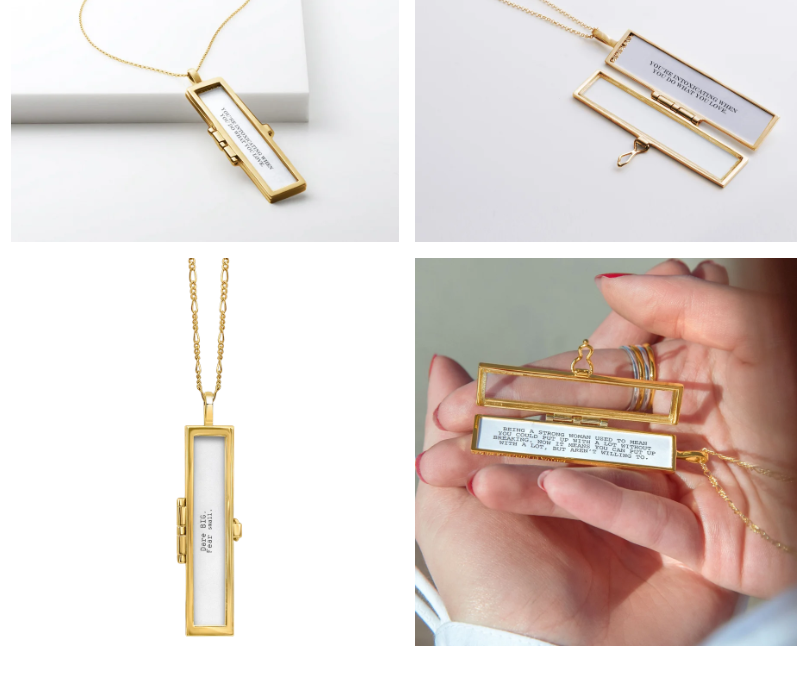
The Fortune Cookie Locket: a miniature mechanical system disguised as a piece of jewelry.
Why it was difficult
A long, narrow hinged frame, a separate inner message component, glass fitted flush to the back, mirror-polished surfaces and a small hinge had to work together. Porosity, scratches, lifted edges, gaps and plating-related dimensional changes could compromise the result.
How the problem was approached
Serial numbers and matched components, defined standards and tolerances, plating engineered into the dimensional process, and precision assembly turned the sample challenge into a controlled production system.
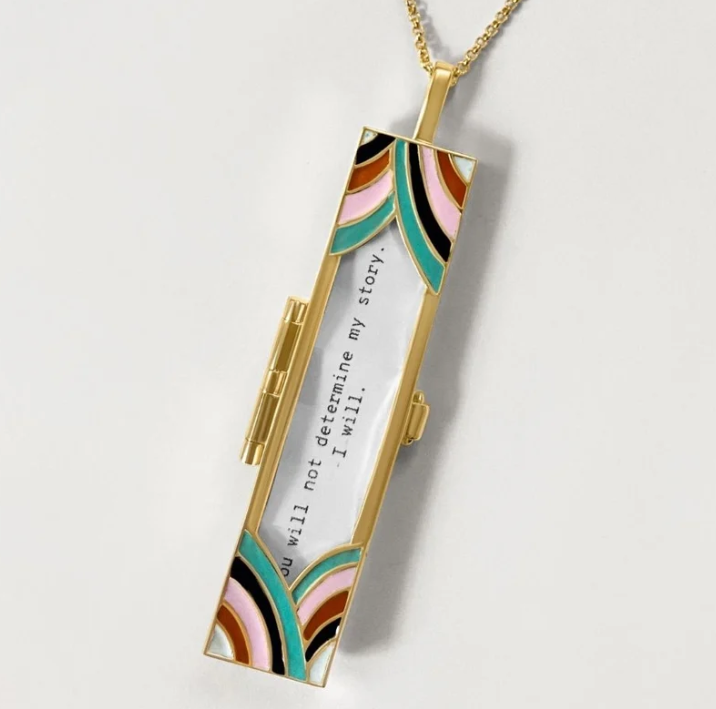
From “impossible” to “identical, every time.”
The hinge gap is a dimension, not a feel.
The supplied photographs are used as project reference images. The “ten factories” statement and repeatability claims should be verified before public release. Public use of the customer name and product images requires permission.
Have a Difficult
Product to Develop?
Bring us the idea, the sample or the manufacturing challenge.